The Short Version
Uninsured motorist coverage — UM, or UM/UIM — pays for your injuries when the driver who hit you can’t. It is the one part of your auto policy that looks after you rather than the person you owe, and in Florida it is required to be included unless the named insured rejects it in writing (Florida Statutes § 627.727).
That last clause is the whole story. Almost nobody sits down and decides to go without it. They sign a rejection form somewhere in a stack of paperwork, the premium comes out a little lower, and the form goes in a drawer for six years.
Florida’s Number Is Worse Than the Country’s
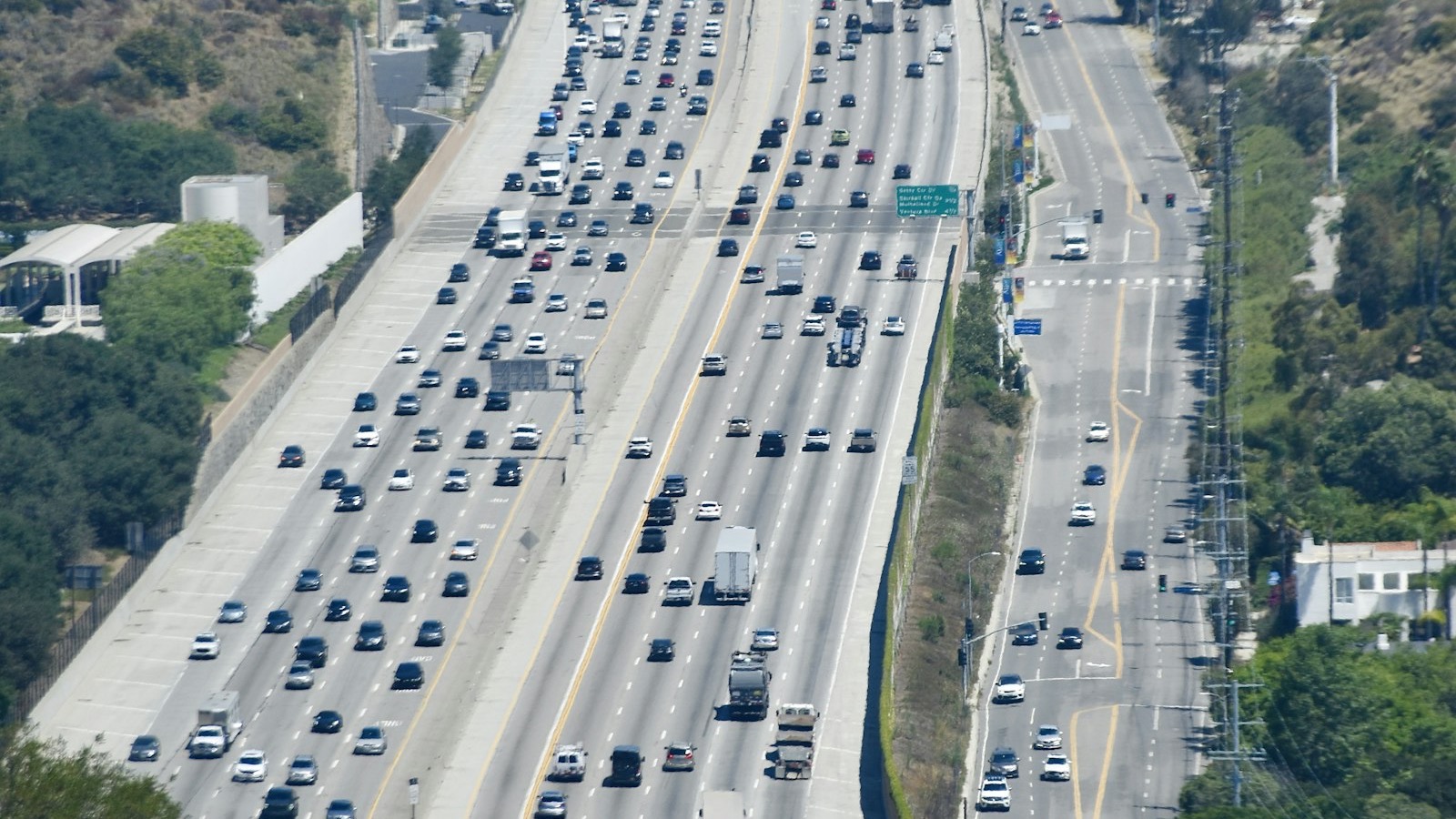
Florida’s uninsured-motorist rate is 15.9%, against a countrywide rate of 14.0 percent (Insurance Information Institute, citing Insurance Research Council). Not catastrophic on its own, but it means a meaningful share of the cars on the Polk Parkway are being driven by someone whose financial plan for hitting you is “hope that doesn’t happen.”
You cannot control that. You also can’t sue money into existence. If the at-fault driver has nothing, a judgment against them is a piece of paper.
The Bigger Group: Insured Drivers Who Still Can’t Pay You
Here’s the part people miss. Florida’s baseline financial responsibility requirements are built around personal injury protection and property damage liability — the minimum property damage liability is $10,000 (Florida Statutes § 324.022). Property damage liability covers your bumper. It does not cover your collarbone.
Bodily injury liability — the coverage that pays for the harm a driver does to other people — isn’t part of that baseline. So a driver can be fully legal, fully “insured,” and still have no coverage at all for putting you in an emergency room. Add those drivers to the ones with no policy whatsoever and the pool of people who can’t make you whole is a lot larger than the uninsured rate alone suggests.
What UM Actually Pays For
UM steps in when the at-fault driver has no bodily injury coverage, or not enough of it, or takes off entirely. Depending on how your policy is written, it generally responds to:
Medical bills beyond PIP. Florida PIP covers a portion of your medical costs up to your PIP limit and then stops. Serious injuries pass that line quickly. UM is what’s behind it.
Lost wages. The income you don’t earn while you’re healing, past what PIP picks up.
Pain and suffering. The non-economic damages you’d have pursued from the other driver’s bodily injury coverage, if they’d had any.
Passengers and family. Coverage typically extends to household members and occupants of your car, subject to policy terms — worth confirming rather than assuming.
Hit-and-run. Uninsured is uninsured, including the driver nobody ever found. Reporting and documentation requirements apply, so this is one to ask about specifically.
What it does not do is fix your car. That’s collision or the other driver’s property damage liability, and it’s a separate conversation.
Why You Probably Don’t Have It
Because rejecting it is easy and legal, and because it shaves the premium. When someone is buying a policy online at 11pm and the checkout flow offers a cheaper number, the cheaper number wins. That’s not carelessness — it’s how the form is designed.
The uncomfortable bit is that UM is one of the few coverages where the person harmed by the decision is you, not a stranger. Every other line on the policy protects your car or your liability to someone else. This one is the only line item on your auto policy that’s purely about you, and it’s the one most likely to have been deleted.
How to Check Whether You Rejected It
This takes about ninety seconds:
Pull your declarations page. Not the ID card, not the app dashboard — the dec page, which is the multi-page document listing every coverage and limit. Your carrier’s website will have a PDF of it.
Look for “Uninsured Motorist” or “UM/UIM.” If there’s a dollar limit next to it, you have it. If the line reads “rejected,” “not covered,” “declined,” or simply isn’t there, you don’t.
Compare it to your bodily injury limit. If you carry bodily injury liability, your UM limit is often written to match it. If your UM number is dramatically lower, ask why.
Ask for the signed rejection form. Carriers keep it. Seeing your own signature on it is oddly clarifying.
Stacked, Unstacked, and Limits That Line Up
If you have UM, there’s usually a second question on the dec page: stacked or unstacked. Stacked coverage can apply your limit across multiple vehicles on the policy; unstacked doesn’t. Stacked costs more and does more, and which one you have depends entirely on how the policy was written — plenty of people are carrying unstacked coverage they assume is stacked.
Same idea with the limit itself. A small UM limit is better than none and still won’t go far in a serious injury claim. If you’ve never looked at the number, look at the number.
If It Turns Out You Rejected It
Then you rejected it, along with a large chunk of the state, and it’s fixable at your next renewal — often for less than people expect, because UM is priced against injury claims you’re statistically unlikely to have and financially unable to absorb if you do.
Send us your declarations page and we’ll tell you in plain English what’s on it: whether UM is there, what the limit is, whether it’s stacked, and whether it matches the rest of your policy. If you’re already covered properly, we’ll say so and you can get on with your day. Real people, no hold music from 1997.