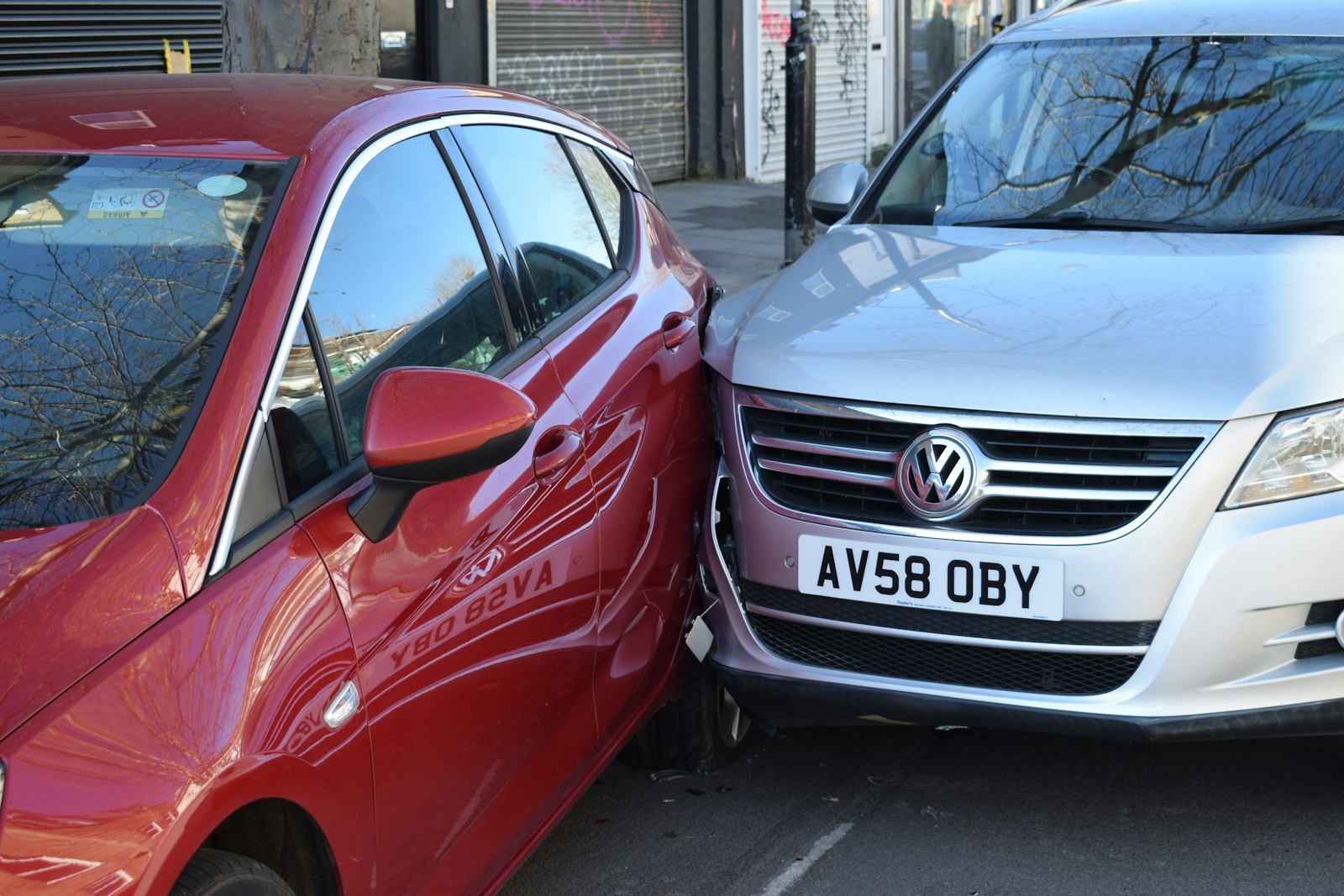
Step 1: Stop, Stay Safe, and Check for Injuries
First things first: stop your vehicle, turn on your hazard lights, and check yourself and any passengers for injuries. If anyone is hurt — even if it seems minor — call 911 immediately. If the accident is blocking traffic and the vehicles are drivable, move them to the shoulder or a safe area if possible. Florida law requires you to stay at the scene of any accident involving injury, death, or property damage. Leaving can result in criminal charges. Don’t be a hit-and-run statistic.
Step 2: Call Law Enforcement
In Florida, you’re required to report any accident that involves injury, death, or property damage that appears to exceed $500. Even if the damage seems minor, we strongly recommend getting a police report. It creates an official record of what happened, which is important when you file your insurance claim. When the officer arrives, give them your account of what happened, but stick to the facts. Don’t speculate about who was at fault — that’s not your job right now.
Step 3: Document Everything
Pull out your phone and start taking photos. Photograph the damage to all vehicles involved — from multiple angles. Get photos of the license plates, the overall scene, road conditions, traffic signs, skid marks, and any visible injuries. If there are witnesses, get their names and phone numbers. Exchange information with the other driver: name, phone number, insurance company, policy number, driver’s license number, and license plate number. One thing to avoid: don’t say “I’m sorry” or “it was my fault.” Even if you feel responsible, fault is determined by the insurance companies and investigators — not at the scene. Save the apologies for when you forget someone’s birthday.
Step 4: Call Your Insurance Agent
This is where we come in. Call your agent as soon as you can — ideally the same day. At Jarrod Currey Insurance, Jarrod spent 17 years working in claims before becoming an agent, so when you call us after an accident, you’re getting someone who’s been on the other side of the process. Here’s what happens: we walk you through what to expect, help you understand your coverage (what’s covered, what your deductible is, whether you have rental car coverage), report the claim to your carrier on your behalf if you’d like, and follow up to make sure things are moving. For clients on our preferred carrier, the claims process is straightforward and well-supported — but regardless of your carrier, you don’t have to navigate this alone. That’s literally what we’re here for.
Step 5: Get Medical Attention (Even If You Feel Fine)
Some injuries don’t show symptoms right away. Whiplash, soft tissue injuries, and concussions can take hours or even days to surface. If you were in anything more than a very minor fender-bender, it’s worth getting checked out by a doctor. This also creates a medical record that connects your injuries to the accident, which matters if you need to file a claim for medical expenses later. Florida is a no-fault state, so your PIP (Personal Injury Protection) coverage kicks in regardless of who caused the accident — but you need to seek treatment within 14 days to be eligible. Don’t sleep on this one. Literally.
Florida-Specific Things to Know
Florida is a no-fault state for auto insurance, which means your own PIP coverage pays for your medical expenses and lost wages up to your policy limits, regardless of who caused the accident. However, if injuries are serious (meeting the “significance threshold”), you can step outside the no-fault system and file a claim against the at-fault driver. Florida also follows a “modified comparative negligence” rule — if you’re more than 50% at fault, you can’t recover damages from the other party. The statute of limitations for filing a negligence-based injury claim in Florida is two years from the date of the accident. For property damage, it’s four years. These are good things to know, but if you’re ever in a situation that involves injuries or a dispute about fault, we’d recommend talking to an attorney in addition to your insurance agent.