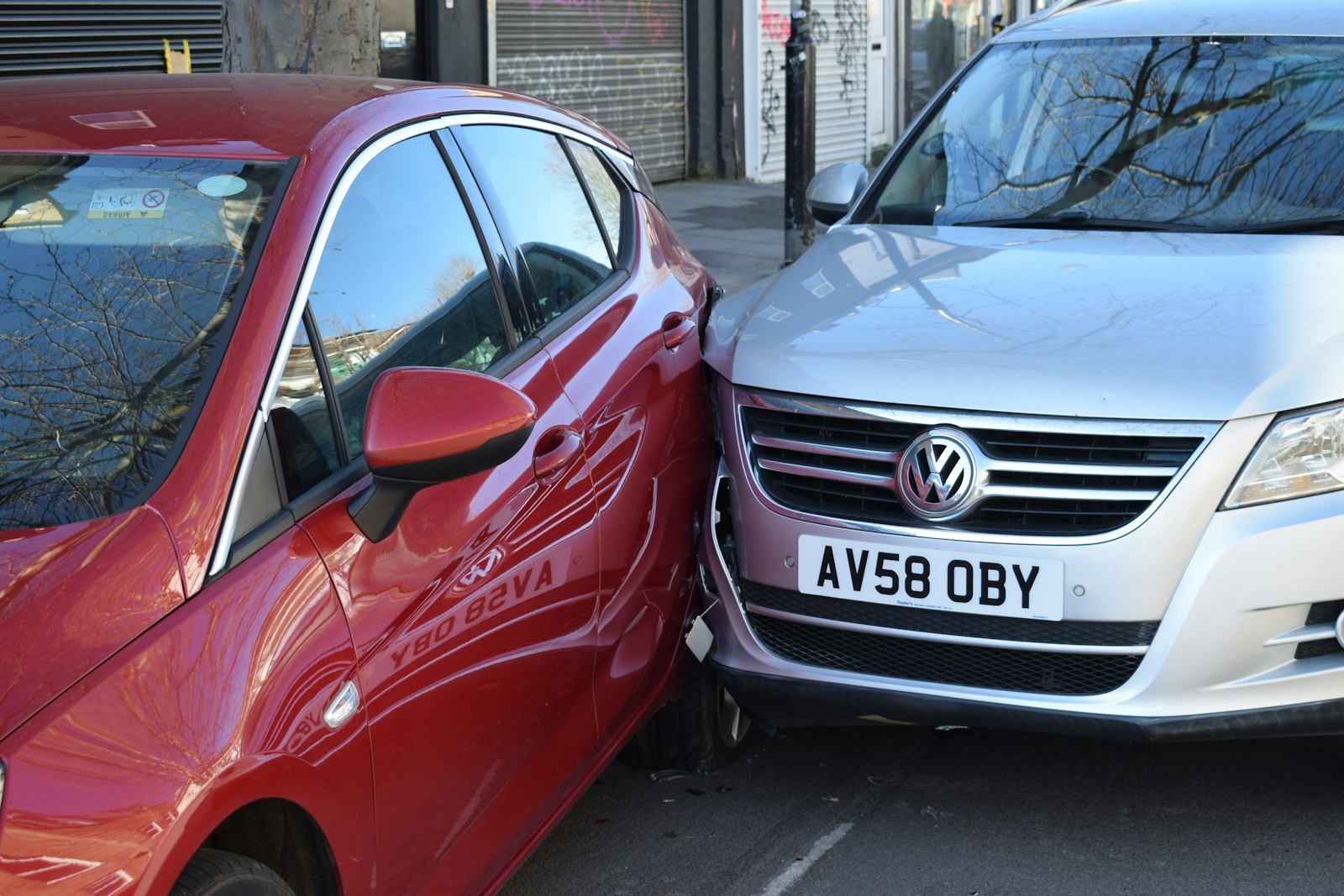
The Short Version
For most drivers, no. Florida’s minimum auto coverage is one of the thinnest legal minimums in the country, and it is missing the single coverage most people assume they already have: bodily injury liability. What the state requires you to carry is personal injury protection for your own injuries and property damage liability for everyone else’s stuff — and both limits are small enough to disappear in a single ordinary crash.
That doesn’t make minimum coverage a scam. It makes it a floor, written by a legislature, not a plan built around your actual life.
What Florida Actually Requires
Two things, in plain English.
Property damage liability. This pays for damage you cause to someone else’s property — their car, their fence, the pole you put your bumper through. The state minimum is $10,000 (Florida Statutes § 324.022).
Personal injury protection. This is the no-fault part. It pays for your own injuries regardless of who caused the crash. The minimum is $10,000 in medical and disability benefits (Florida Statutes § 627.736), with a death benefit of $5,000 per individual.
Notice what isn’t on that list. There’s no line for the other driver’s broken leg, their ambulance ride, or the six weeks they can’t work. That coverage is bodily injury liability, and it isn’t part of the standard package Florida makes you carry to put a plate on a car. Most people are genuinely surprised by this, usually at the worst possible moment.
The Part Almost Nobody Knows About PIP
Here’s the detail that catches people flat. PIP does not pay your medical bills. It pays most of your medical bills, up to the limit.
Eighty percent is the share of medical expenses PIP covers (Florida Statutes § 627.736). Sixty percent is the share of lost gross income it covers. The rest is yours.
So a $10,000 PIP limit is not $10,000 of medical care. It’s a pot of money that drains at a rate you don’t control, against bills you didn’t budget for, while a fifth of every medical charge stays on your side of the ledger. An emergency room visit, imaging, and a short course of physical therapy will do it. That’s not a catastrophic injury — that’s a Tuesday on I-4.
Where Ten Thousand Dollars of Property Damage Runs Out
Think about the last parking lot you were in. Now picture the average price of the vehicles in it. The state’s property damage minimum was not written with those numbers in mind.
Total someone’s late-model SUV and the minimum limit is gone, with a balance left over. That balance doesn’t evaporate because your policy hit its ceiling. It follows you — to your savings, to a judgment, to a payment plan you’ll be explaining to your spouse for years.
The Coverage That Isn’t There
Bodily injury liability is the one that matters most and the one minimum policies skip. If you cause a crash that hurts someone, and there’s no BI liability on your policy, the money for their injuries has to come from somewhere. Florida’s no-fault system limits when someone can come after you personally, but it does not make that impossible — serious injuries can step outside no-fault entirely.
This is also the coverage that makes an umbrella policy possible later. Carriers generally require a certain amount of underlying liability before they’ll write one, so a minimum-limits auto policy quietly closes that door too.
What to Raise First, in Order
If you’re going to spend another dollar on your auto policy, spend it here:
Bodily injury liability. Add it if you don’t have it. Raise it if the limits are token. This is the whole ballgame.
Property damage liability. Get it above the floor. The jump from the minimum to a real limit is typically one of the smaller line items on a policy.
Uninsured and underinsured motorist. Florida has a lot of drivers carrying exactly nothing. UM is what covers your injuries when the person who hit you can’t.
More PIP, or med-pay. Worth a look if the eighty and sixty percent math above made you wince. How this is structured varies by carrier and by how the policy is written, so it’s a conversation, not a checkbox.
”But Florida Is Already Expensive”
It is, and we’re not going to pretend otherwise. Florida’s average auto insurance expenditure is $1,431.56, against a countrywide average of $1,062 (Insurance Information Institute). Paying above the national average for a policy that’s below most states’ idea of adequate coverage is a genuinely annoying place to be.
Here’s the thing, though: liability limits are cheap relative to everything else on the policy. The expensive parts of Florida auto insurance are the parts driven by where you park and what you drive. Raising a liability limit rarely moves the premium the way people brace for. Most of the sticker shock people expect never shows up.
What We’d Actually Look At
Send us your declarations page. We’ll tell you three things in plain English: whether you have bodily injury liability at all, what your limits would do in a serious at-fault crash, and what it would cost to fix the gap.
If you’re already carrying sensible limits, we’ll say so and you can get on with your day. Nobody here gets paid to talk you into coverage you don’t need — and you won’t sit through hold music from 1997 to find out.