The Short Version
If your house has features that help it survive a windstorm, Florida law says your carrier’s rate filing has to account for that. What it does not say is that anyone will come find you and apply it. In practice the credit shows up after a wind mitigation inspection, when the resulting form is on file with your carrier — and plenty of Florida homeowners have never had one done, or had one done years ago and let it quietly expire.
That’s the whole article, really. But the details matter, because this is one of the few levers on a Florida homeowners premium that you actually control.
What The Law Actually Says
Florida Statutes § 627.0629 requires residential property insurance rate filings to include actuarially reasonable discounts, credits, or other rate differentials for construction techniques that reduce loss from windstorms. That’s the statutory language, and it’s a meaningful protection — it means the discount structure has to exist in the filing.
What it doesn’t do is hand you the money. The credit attaches to your specific house, and the carrier has to know what your specific house is made of. That’s the inspection’s entire job: turning “my roof looks fine” into something an underwriter can rate.
Why This Matters More Here Than Anywhere Else
Florida is ranked #1 most expensive for homeowners insurance, with an average premium of $2,437 against a countrywide average of $1,411 (Insurance Information Institute, NAIC data). Nobody in Lakeland needs a chart to know this. You’ve seen your renewal.
When your baseline is that high, a percentage credit is worth more in real dollars than the same percentage would be in Ohio. It’s also one of the very few reductions available that doesn’t involve raising a deductible or dropping coverage you’d want after a storm.
What The Inspector Is Actually Looking At
A wind mitigation inspection is not a home inspection and it’s not an appraisal. It’s a narrow, checklist-shaped look at six things, most of them on the roof:
Roof covering. What’s up there, when it went on, and whether it meets the building code standard in effect at the time. Permit records matter here more than appearance.
Roof deck attachment. How the plywood is fastened to the trusses. Nail size and spacing. Yes, really — this is the kind of detail that separates a roof that stays put from one that becomes a neighborhood problem.
Roof-to-wall connection. Toe nails, clips, single wraps, double wraps. This is often the single biggest swing on the form, because it’s the difference between the roof being nailed on and being strapped down.
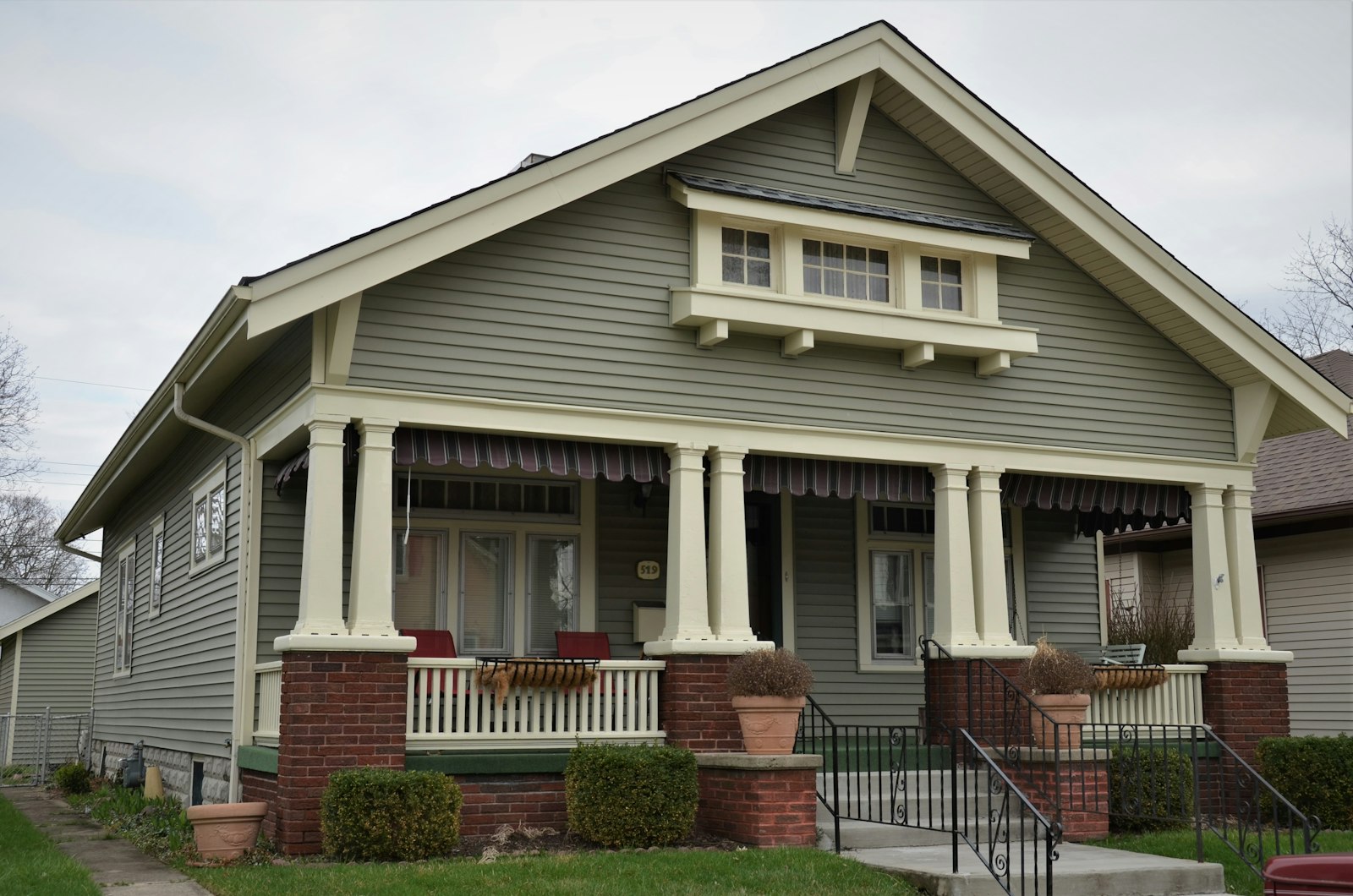
Roof geometry. Hip roofs — sloped on all four sides — generally perform better in high wind than gable ends, and the form asks about it. Nothing you can change without a rebuild, but plenty you can get credit for if you already have it.
Secondary water resistance. A sealed layer under the roof covering that slows water intrusion if the shingles leave. Either it’s there or it isn’t.
Opening protection. Impact-rated windows and doors, or shutters and panels rated for the openings they cover. Partial protection and full protection are treated differently, and “I have plywood in the garage” is not a category.
The Cost Is Small and It’s Yours
The inspection is typically a modest one-time expense — the kind of number that lands well below a single month of most Florida homeowners premiums. You generally pay for it, not the carrier, and you hire the inspector.
Use someone qualified to sign the form: a licensed home inspector, contractor, engineer, or architect authorized to complete it. A cheap inspection from someone whose form gets rejected is not a bargain, it’s a do-over.
The Form Has A Shelf Life
Here’s the part that catches people. The wind mitigation form is not permanent. Carriers generally treat it as valid for a set number of years, after which it needs to be redone — and if it lapses, the credit tied to it can come off at renewal without any dramatic notification.
So if your premium jumped and nothing about your life changed, an expired mitigation form is worth checking before you assume it’s just the market. Same goes for a new roof: if you replaced it and never submitted an updated form, you may be paying for a roof you already have.
Be Honest About What It’s Worth
The size of the credit varies by carrier and by feature. Some features move the number a lot, some barely register, and two carriers looking at the identical form can land in different places. Anyone who quotes you a guaranteed percentage before seeing your form is guessing.
What’s reliably true: a house with good roof-to-wall connections, a hip roof, and rated opening protection tends to rate better than an identical house without them, and you can’t collect on any of it until the form exists.
If You’ve Never Had One Done
Send us your declarations page. We’ll tell you whether a mitigation credit is already showing on it, whether it looks stale, and whether an inspection is likely worth the cost for your house — in plain English, and if the answer is “you already have all of them,” that’s a perfectly good answer too.