The Short Version
Florida is the most expensive state in the country to insure a house — it is ranked #1 most expensive, with an average homeowners premium of $2,437 against a countrywide average of $1,411, according to Insurance Information Institute data from the NAIC. So yes, it costs more here. Everyone told you that and everyone was right.
But here is the part nobody says out loud: that statewide average is a lousy predictor of what your particular house in Lakeland, Auburndale, or Winter Haven will cost. It is one number smeared across a coastal condo in Key West and a 1998 block house forty-five minutes from any salt water. Your number comes from your house.
Why We’re Telling You the Averages Are Weak
Those figures are older statewide NAIC numbers. They are real, they are honest, and they are not a Polk County quote. We’re citing them because they set the right expectation — Florida is expensive, plan for it — and then we’re telling you to stop using them for math.
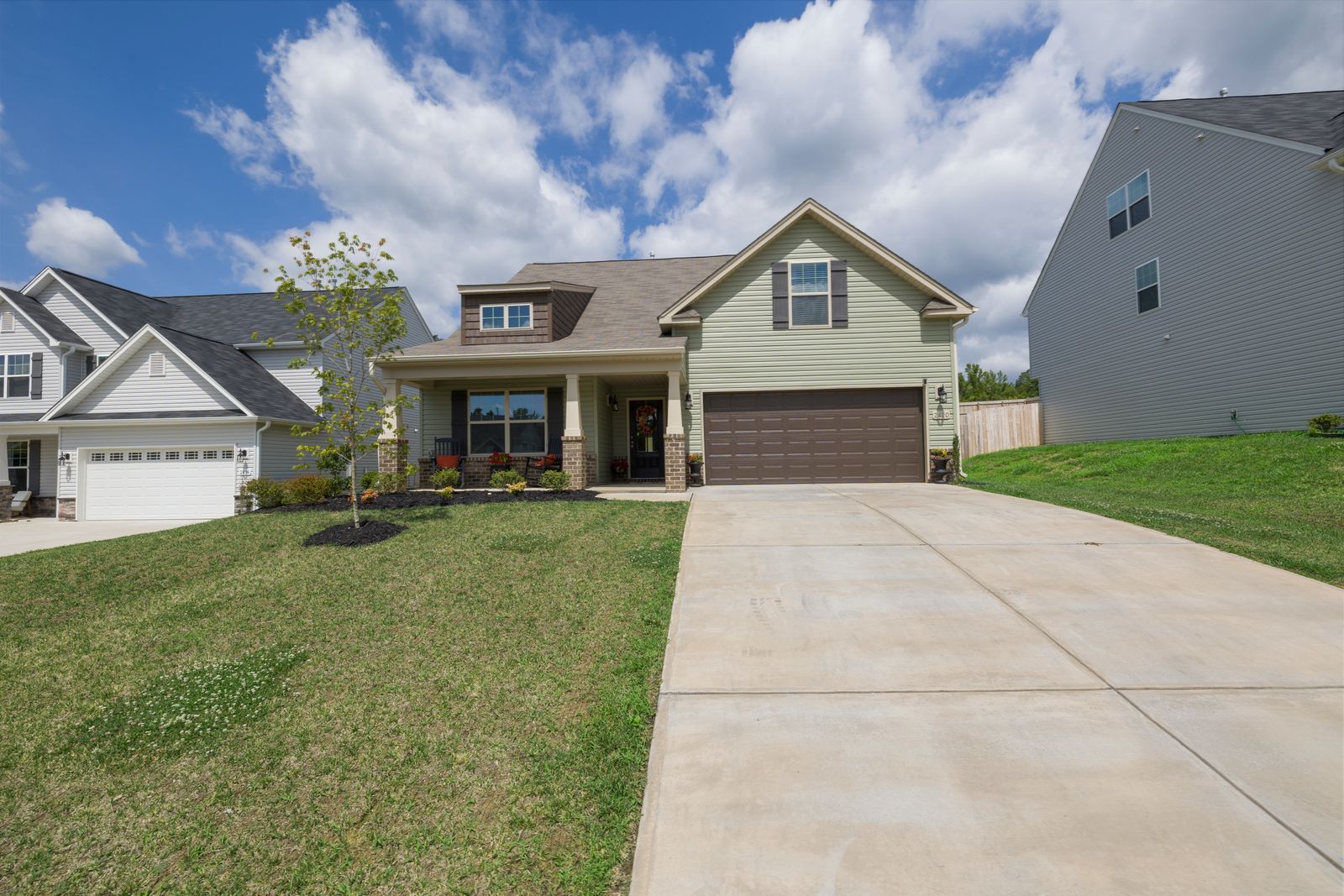
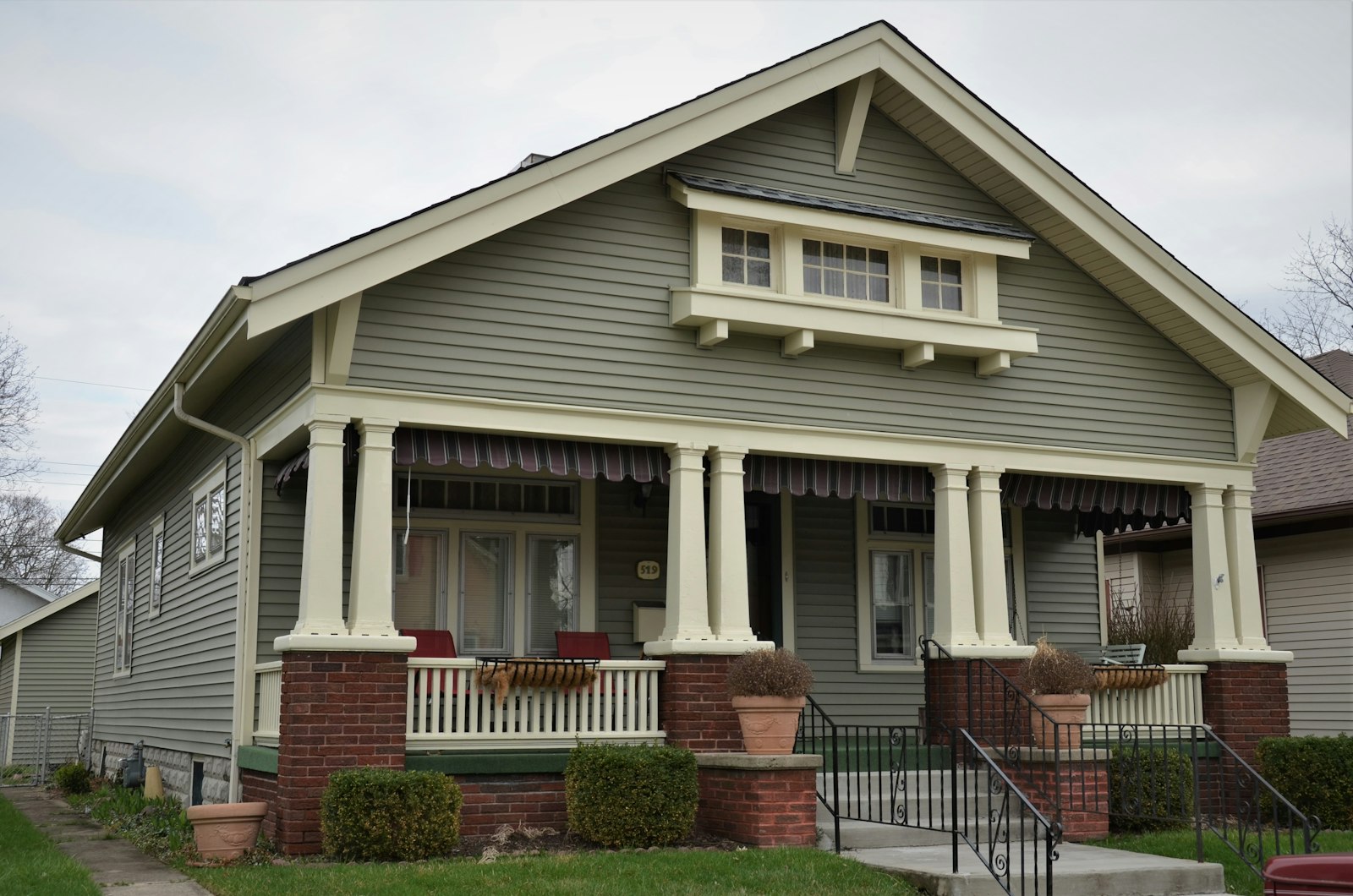
Two houses on the same Lakeland street can quote hundreds of dollars apart because one re-roofed in 2021 and one didn’t. A statewide average cannot see your roof. An underwriter can.
Roof Age and Roof Covering
If you only remember one thing: the roof drives the number. Many carriers weight roof age and roof covering heavily in Florida, and some won’t offer certain coverage terms at all past a certain age depending on how the policy is written.
Age. A newer roof generally prices better, and it’s often the difference between being offered replacement cost on the roof versus actual cash value — which matters enormously at claim time, not at quote time.
Covering. Shingle, tile, and metal don’t behave the same in an underwriter’s model, and they don’t age the same either.
Condition and documentation. A roof that’s fine but undocumented can quote like a roof that isn’t fine. Keep the permit and the invoice.
Dwelling Limit Is Not Market Value
This is the single most common budgeting mistake we see, and it goes both directions.
Your dwelling limit is what it would cost to rebuild your house — materials, labor, debris removal, current code. It is not the Zillow number. Land doesn’t burn, so land isn’t in there. In a market where lot values have moved a lot, rebuild cost and sale price can drift far apart in either direction.
People who assume the two are the same either buy a limit that couldn’t rebuild the house, or pay for one bigger than they need. Both are avoidable in about ten minutes of looking at it properly.
Wind Mitigation, Deductibles, and Claims History
Three levers you have some control over, unlike the weather.
Wind mitigation features. Roof-to-wall attachments, roof deck nailing, secondary water resistance, opening protection. A wind mitigation inspection documents what your house already has, and credits vary by carrier — but this is the closest thing to free money in Florida homeowners insurance.
Deductible structure. You typically carry a flat all-other-perils deductible and a separate percentage-based hurricane deductible. Raising one lowers premium and raises what you’d owe after a storm. That’s a real trade, not a trick, and it deserves an actual conversation.
Claims history. Prior claims follow the house and the person. A small claim you paid mostly out of pocket anyway can cost more in future premium than it returned.
Inland Polk Is Not the Coast — But It’s Still Florida
Distance from the coast helps. It is genuinely one of the better structural facts about insuring a home in Polk County, and it’s part of why people move here.
It is not immunity. Hurricanes reach the interior, hail happens, and water damage from plumbing doesn’t care how far you are from the Gulf. Inland is a discount on wind exposure, not an exemption from Florida underwriting.
Setting Expectations Against a Real Household Budget
Polk County’s median household income is $65,978, and there are 316,381 housing units in the county. That’s a lot of households absorbing a homeowners premium that sits well above the national norm, usually inside an escrow payment they only notice when it jumps.
So plan for a Florida number, not a national one. Budget for it annually rather than being surprised by it, and treat the roof as a scheduled expense — because in this state, your roof is part of your insurance strategy whether you wanted it to be or not.
What to Do With Your Actual Numbers
Pull your declarations page and look at four things: the dwelling limit, the roof’s age, whether the roof is on replacement cost or actual cash value, and what your hurricane deductible would cost you in dollars. That’s most of the story right there.
Send it over and we’ll go through it in plain English — what’s driving your premium, what’s adjustable, and whether a wind mitigation inspection would pay for itself. If your policy already looks right for your house, we’ll tell you that and you can go back to your afternoon. No hold music from 1997.