The Short Version
If your apartment floods, burns, or gets broken into, your landlord’s insurance pays to fix the building. It does not pay to replace your couch, your laptop, your clothes, or the bike in the hallway. That part is on you. Renters insurance is the policy that covers your side of that line — plus liability if someone gets hurt in your space — and it is one of the least expensive policies we write.
Why People Skip It
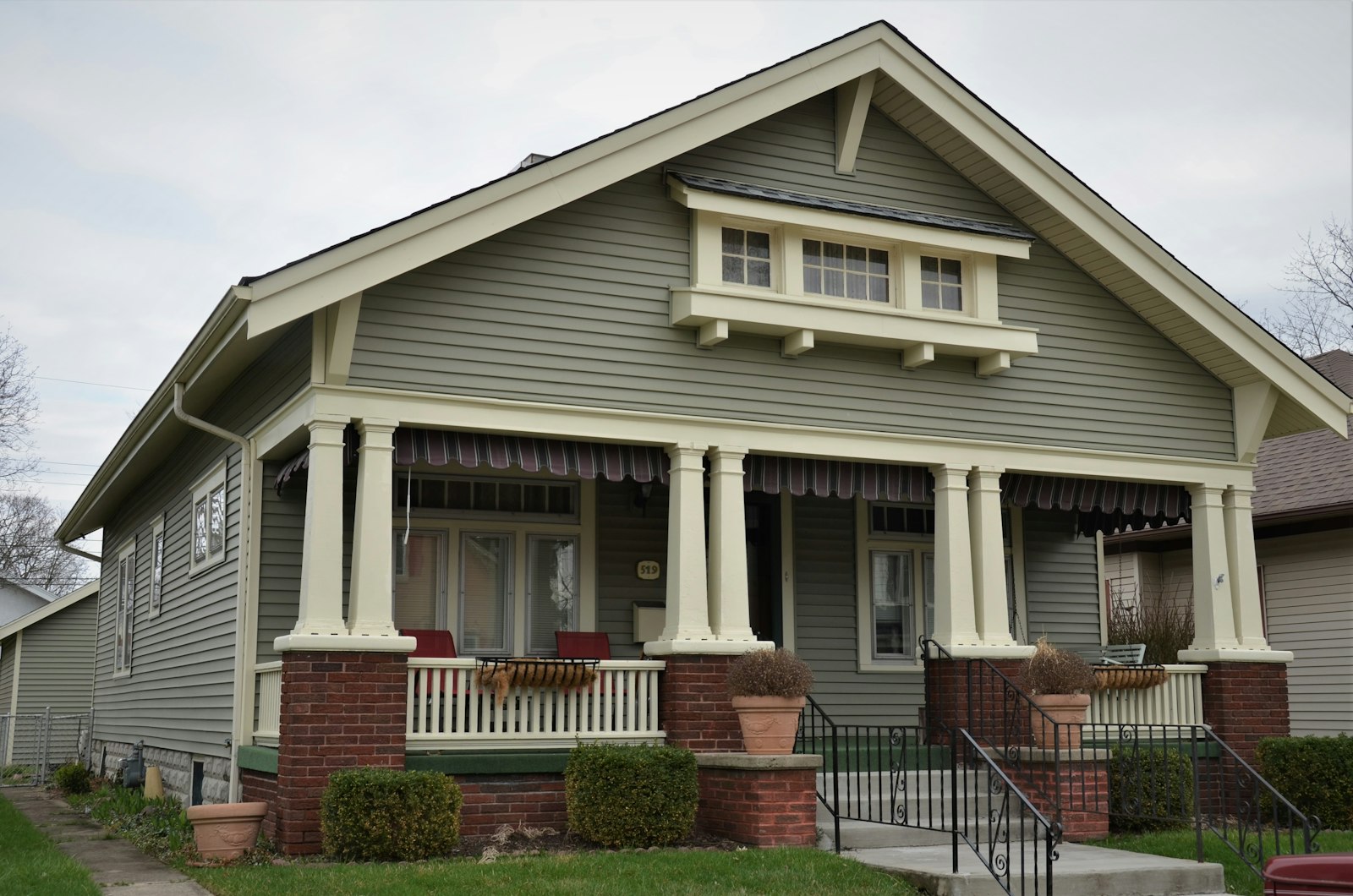
Almost always the same reason: they assume the landlord’s policy covers them. It’s a fair assumption. It’s just wrong. The landlord insures what the landlord owns — walls, roof, plumbing, the structure itself. Everything you moved in on day one is outside that policy entirely.
The second reason is that people underestimate what they own. Nobody thinks they have $30,000 worth of stuff. Then they walk room to room adding up furniture, TV, computer, kitchen, clothes, the good headphones, the tools in the closet — and it adds up faster than expected. Replacing all of it at once, out of pocket, in the same month, is a genuinely bad financial event.
What It Actually Covers
Four things, and only one of them is the obvious one.
Your personal property. Your belongings, whether they’re damaged at home or somewhere else. That last part surprises people — a laptop stolen out of a car or a suitcase lost on a trip typically falls under your renters policy, not somebody else’s.
Liability. If a guest is injured in your apartment and it’s your responsibility, this is what responds. It’s also what pays for a lawyer if it goes further than a phone call.
Additional living expenses. If a covered loss makes your unit unlivable, this covers the hotel and the difference in your living costs while it’s being repaired. In a market like Lakeland or Tampa, where finding a short-term place to land is neither cheap nor fast, this is worth more than people expect.
Medical payments to others. Small, no-fault-required amounts for minor injuries to guests — the coverage that quietly keeps a minor incident from becoming a claim about blame.
The Florida Part
Two things worth knowing if you rent here.
Wind and hurricane damage to your belongings is generally covered under a renters policy, but the deductible structure can work differently during a named storm — same idea as the hurricane deductible on a homeowners policy. Ask what yours is before June, not during.
Flood is separate. Always. A renters policy is not a flood policy, and in this state that distinction matters far more than it does in most places. If you’re in a low-lying part of Polk County or anywhere that’s taken on water before, ask about contents flood coverage specifically. It exists, it’s separate, and it’s cheaper for renters than most people assume.
What It Costs
Less than people guess — typically the cheapest line on anyone’s insurance. The premium is small enough that the real question isn’t whether you can afford it. It’s whether you could afford to replace everything you own in a single month without it.
Plenty of landlords now require it, which is how most people end up with a policy. But the required minimum and the amount that would actually make you whole aren’t always the same number. If you’re buying it to satisfy a lease, spend the extra ten minutes making sure the personal property limit reflects what you actually own.
Worth an Actual Conversation
Renters insurance is the policy people buy in four minutes online and never look at again — which is fine, right up until the one time it matters and the limit turns out to be half of what it should have been. We’re happy to look at what you’ve got, tell you if it’s enough, and leave it alone if it is. That’s a short phone call and it costs you nothing.